



Is It Painful to Have a Root Canal?
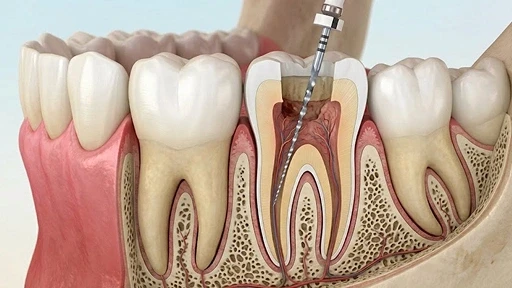
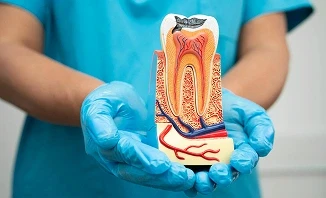
Many people associate root canal treatment with pain, but modern dentistry has changed that perception. The procedure is performed under local anaesthesia, making it far more comfortable than most people expect. In fact, root canal treatment is designed to eliminate pain caused by an infected tooth, not create it. While you may experience mild soreness for a day or two after the procedure, it is temporary and usually resolves with prescribed medication and proper aftercare.


FAQs
How many visits does a root canal treatment take?
Most root canal treatments take 1 to 2 visits. Single-Sitting RCT: If the infection is localized, minimal, or in an accessible single-rooted tooth, we can often complete the cleaning, shaping, and permanent filling in just one appointment (lasting about 45 to 60 minutes). Two or More Visits: If there is severe inflammation, a deep abscess, or complex root anatomy, we prefer a multi-visit approach. In the first visit, we thoroughly clean out the infection and place a calming, antibacterial dressing inside the canals. We allow the tooth to settle for a few days before permanently sealing it in the next visit. Our priority is always long-term success over speed, so we tailor the number of visits to what your specific tooth needs.
What happens if I delay getting a root canal?
Delaying treatment allows the infection to spread deeper into the jawbone, leading to severe abscesses, intense swelling, and bone loss. Eventually, the tooth may become unsalvageable and require complete extraction.
Can a root canal fail, and can the tooth be saved again?
While root canals have over a 95% success rate, a treatment can occasionally fail if new decay enters, or a canal was missed. In these rare cases, root canal retreatment can thoroughly reclean and seal the tooth to save it again.
Why do I need a crown after a root canal?
Think of a root-canal-treated tooth like a dried-out tree branch. Once we clean out the infected pulp and nerves, the tooth loses its internal blood supply. While it is completely painless and healthy inside, the outer enamel structure becomes brittle over time. For Back Teeth (Molars & Premolars): A protective crown is essential. These teeth take the force of heavy chewing—up to 150+ lbs of pressure! Without a crown to wrap around and reinforce the tooth, a sudden hard bite can cause it to crack vertically, which often forces us to extract a tooth we just saved. For Front Teeth: A crown may not always be needed immediately if enough natural structure remains, though a composite restoration or veneer might be recommended for strength or aesthetics. Plumping a crown over the treated tooth acts like a safety helmet, ensuring your restored tooth lasts for decades—or even a lifetime.
Can I go back to work or my normal routine on the same day?
Yes, absolutely. Most of our patients return to work, school, or their normal daily routine right after leaving the dental chair. Anesthesia: The numbness from local anesthesia lasts roughly 2 to 3 hours. During this time, you can drive, work, and focus on your day—just avoid eating hard foods or drinking hot beverages until the feeling fully returns so you don't accidentally bite your lip or cheek. Post-Treatment Sensations: You might feel slight tenderness or pressure around the treated tooth for a few days as the surrounding tissue heals, but this is easily managed with mild, over-the-counter pain relievers. Heavy Physical Activity: If your job involves heavy physical labor or strenuous workouts, I usually advise taking it easy for the rest of the day to keep blood pressure low around the healing area.