
Smile With Us: Why Painkillers May Not Solve the Real Cause of Tooth Pain

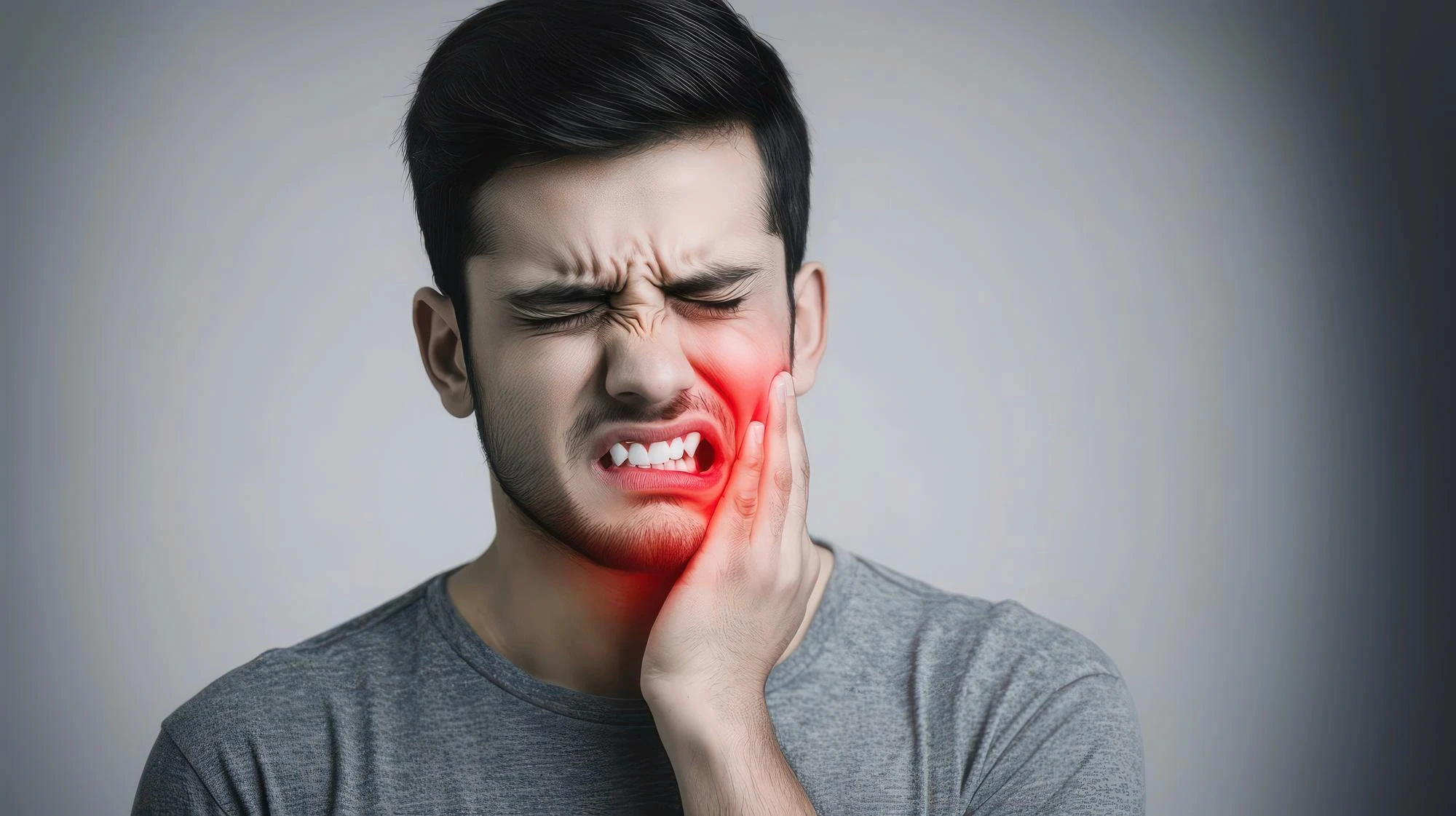
We have all been there. A sudden, sharp throb in the back of your mouth makes it impossible to concentrate, eat, or sleep. In that moment of pure desperation, reaching into the medicine cabinet for a quick painkiller seems like the only sensible thing to do. Within an hour, the ache dulls, you get a bit of temporary breathing room, and you try to get back to your day, believing the crisis has passed.
However, silencing a toothache is a far cry from actually curing it. While over the counter pills are great for buying you a little time, relying on them to manage dental discomfort is a lot like turning off a smoke detector while a fire is actively burning behind the walls.
At Smile With Us, founded by Chief Dental Surgeons Dr. G. Sivaramakrishna and Dr. R. Rajeswari, we routinely see patients who ended up delaying necessary care simply because they masked their symptoms with daily medication. Let us take a look at how tooth pain actually works, why pills fall short, and what your mouth is desperately trying to tell you.
The Illusion of Relief: What Painkillers Actually Do
To understand why medication cannot fix a bad tooth, you have to look at what is happening inside your bloodstream. When you swallow an analgesic or an anti inflammatory pill, it targets your central nervous system, effectively blocking the chemical pathways that send pain signals to your brain.
The physical issue inside your mouth remains completely untouched. If you have an active bacterial infection or a structural crack in a molar, no pill on earth can magically clear away that decay or rebuild your broken enamel. The medication simply puts a blindfold on your nervous system while the underlying destruction continues to quietly spread under the surface.
The Anatomy of a Toothache: Why Teeth Can Not Self Heal
If you cut your finger or strain a muscle, your body rushes blood, oxygen, and fresh cells to the site to heal the tissue over time. Your teeth, unfortunately, do not work that way. The outer layer of your tooth, the enamel, is incredibly tough, but it contains absolutely no living cells. It cannot regenerate.
Once bacteria eat through this outer defense shield, they hit the softer dentin and eventually reach the living pulp at the very center where your nerves live. Because a tooth is a completely rigid, unyielding chamber, any swelling causes pressure to build up rapidly inside, compressing the dental nerve against the hard walls. This specific biological setup is exactly why dental issues require physical treatment rather than a chemical band aid.
Decoding the Signal: What Is Your Tooth Pain Telling You?
Dental pain is rarely a random occurrence. It is a highly sophisticated, specific warning system. Depending on exactly how the ache feels, your mouth is signaling very different structural or bacterial emergencies:
Sharp, Fleeting Pain with Hot or Cold Food: This usually means early enamel erosion, minor gum recession, or a microscopic fracture. The protective outer layer has worn thin, exposing the sensitive dentin pathways underneath.
A Continuous, Deep, Throbbing Ache: This is a classic indicator that bacteria have breached the inner chamber of the tooth, causing severe inflammation in the dental pulp.
Severe Pain While Chewing or Applying Pressure: This often points to a cracked root or a deeper infection that has traveled down past the tooth into the root membrane and the surrounding jawbone.
The Compounding Damage: What Happens Behind the Chemical Blindfold
When you rely on regular medication to mask a toothache day after day, you create a dangerous, false sense of security. Beneath that artificially calm surface, the decay process actually accelerates. Bacteria continue to consume the remaining healthy tooth structure, moving deeper into vital tissues.
What could have been fixed with a quick, simple appointment eventually turns into a full scale dental emergency. The longer the true cause goes ignored, the more complex, time consuming, and intensive the ultimate clinical solution becomes.
The Hidden Danger of Postponing Dental Care
When you continually suppress a toothache with pills, you give an active infection a free pass to expand. A simple cavity that could have been easily resolved with a minor, tooth-colored filling can quickly transition into a full blown nerve infection.
Once bacteria take over the internal pulp chamber, the tissue begins to die. The infection can then exit through the tip of the root, forming a incredibly painful abscess in your jawbone. At this stage, a standard filling is completely out of the question. You are now looking at more extensive treatments like a root canal or, if things have gone too far, a complete tooth extraction.
True Resolution Requires Structural Solutions
At the end of the day, dental problems are entirely structural and mechanical. Therefore, they require structural and mechanical fixes, not chemical cover ups.
True healing demands direct intervention by a professional. If there is active decay, the infected structure must be precisely cleared away and safely sealed. If the nerve is compromised, the internal canals must be thoroughly sanitized and sealed through a root canal procedure to preserve your natural tooth. There are simply no shortcuts around it.
Shifting Focus from Symptom Management to Absolute Prevention
The easiest toothache to deal with is the one that never happens in the first place. Regular dental checkups allow professionals to spot microscopic weak points, early decay, and minor structural shifts long before they ever trigger a nerve response or cause you pain. By prioritizing routine cleanings and early intervention, you save yourself from those agonizing midnight emergencies that leave you scrambling for the medicine cabinet at 2:00 AM.
Beyond the Tooth: The Full Body Impact of Oral Infections
An untreated dental infection does not just stay contained inside your mouth. The complex network of blood vessels near your jaw means that multiplying bacteria can eventually migrate directly into your broader bloodstream.
Chronic oral inflammation has been linked by medical researchers to wider systemic health issues, including cardiovascular complications and heightened risks for individuals managing diabetes. Taking care of your teeth is quite literally a fundamental pillar of protecting your entire body's well being.
Crafting Healthy Strides at Smile With UsCrafting Healthy Strides at Smile With Us
Since opening our doors back in 2004, our philosophy at Smile With Us has always centered around a very simple truth: prevention and proper education are the ultimate forms of dental care. What started out as a modest, single chair practice has grown into a modern, state of the art multi chair facility in Chennai, driven entirely by the dedication of Dr. Sivaramakrishna and Dr. Rajeswari.
Our core objective is not just to perform treatments, but to fundamentally change the way you think about your oral health. We believe in taking the time to explain the precise mechanics behind your discomfort, ensuring that every single step of your care is grounded in complete transparency, genuine compassion, and mutual respect.
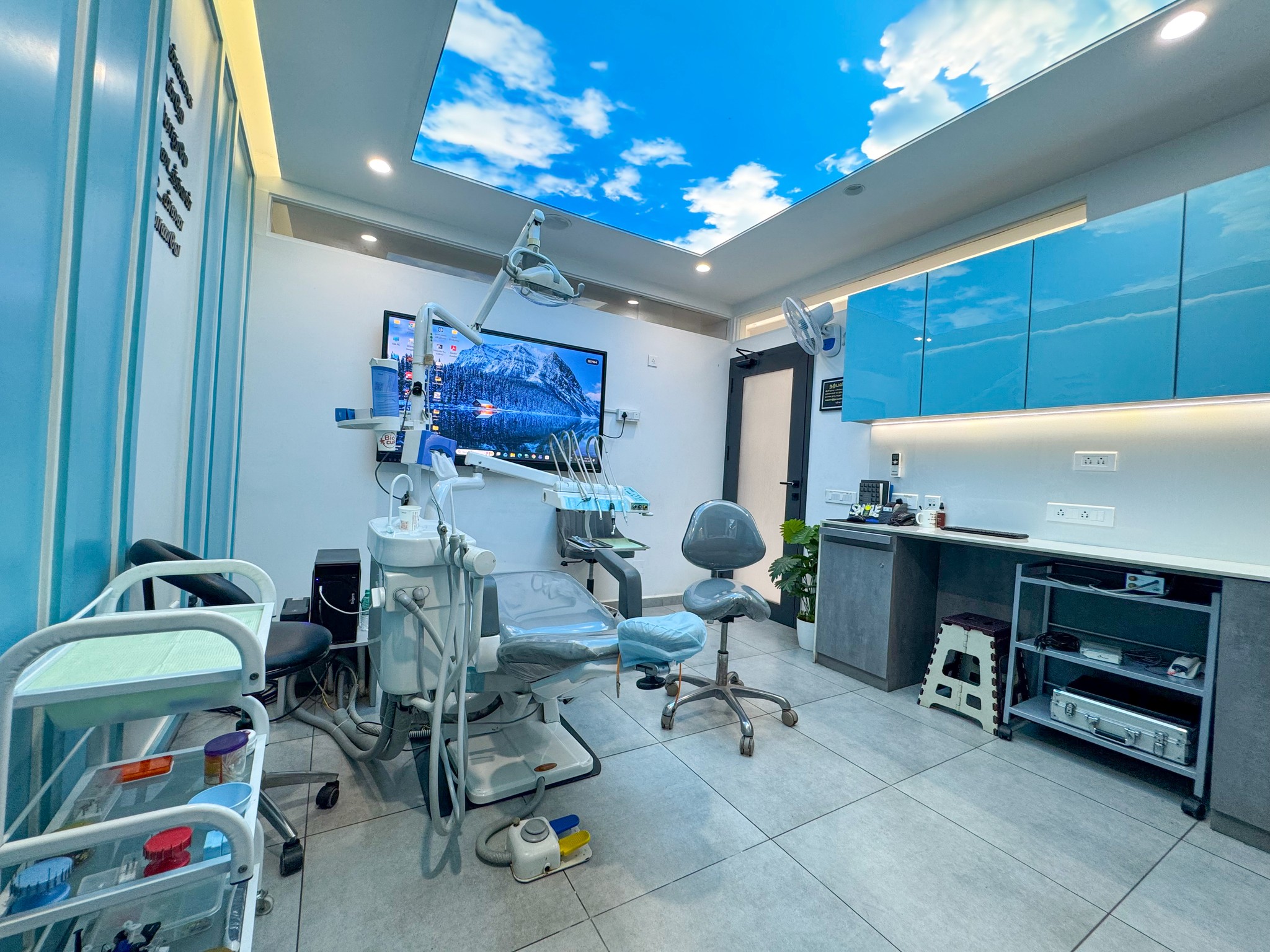
From painless treatment options to comprehensive restorative care, our professional team is committed to delivering a sterile, comfortable, and zero microbe environment where your peace of mind comes first. Do not just mask the pain and hope for the best. Let us help you protect your natural smile for the long haul.
Related Articles
Expert articles. Healthier smiles.
What Happens When a Missing Tooth Is Left Untreated
Smile With Us: Why Painkillers May Not Solve the Real Cause of Tooth Pain
Make Your Smile Whiter and Brighter ✨
Opening Hours
Monday
10 AM
-
9 PM
Tuesday
10 AM
-
9 PM
Wednesday
10 AM
-
9 PM
Thursday
10 AM
-
9 PM
Friday
10 AM
-
9 PM
Saturday
10 AM
-
9 PM
Schedule Your Dental Consultation
Ready for a healthier smile? Book your consultation at Smile With Us Dental Clinic today.